
Kagoshima
鹿児島県指宿市山川
Seagrass Restoration
Joining forces with the locals, the Fishery Cooperative of Yamagawa, Ibusuki-city, Kagoshima, gathers fishermen to support seagrass restoration in their area and actively work to protect habitat near the shore.
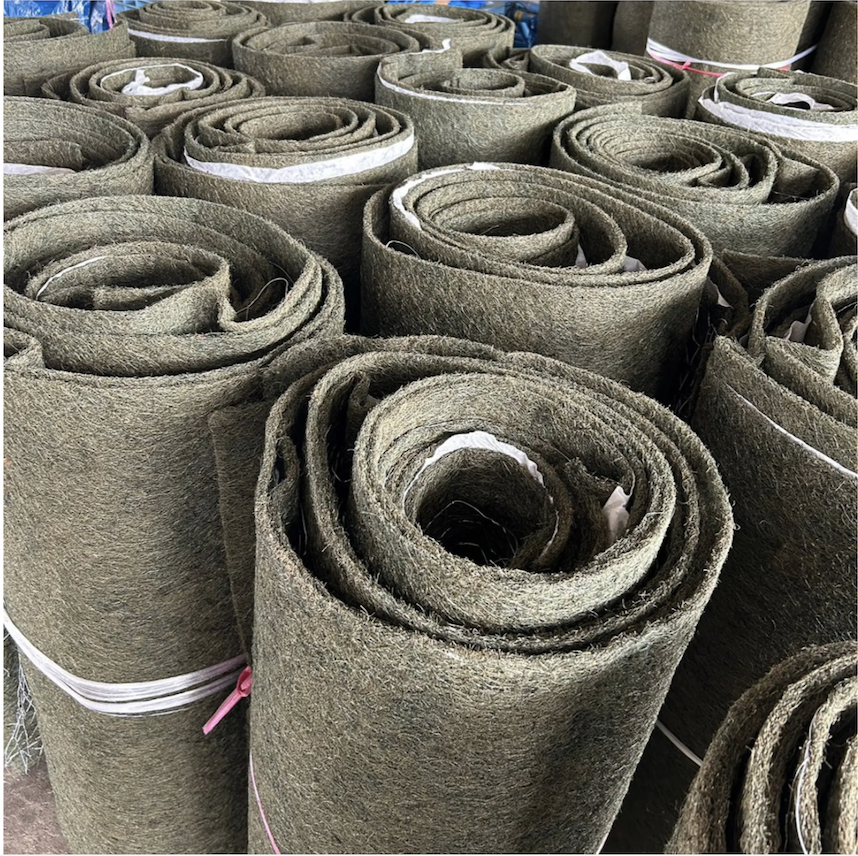
In 2027, OMI will be helping this local effort to recurrently help in seagrass net preparation and growth assessment of the planted seaweed. Depending on the season and external factors, how do different seagrass grow and/or react to their environment? How do different planting sites affect the growth of the species? What changes are witnessed overtime? Additionally, we will conduct our usual data collection to gather a broader perspective of the areas.
漁師だからできること
Fishermen Mindset Shift
When it comes to conservation, we easily think about corals or megafauna protection. But when seagrass gets impacted, a whole ecosystem shakes.
The traditional model do not work anymore and the local fishermen of Yamagata understood it well. “We recognized that we are now at a turning point where we must adapt our role to changing environmental conditions. Our mission with this project is to build upon our existing practices of resources management and fishing by systematizing and expanding a new form of conservation-oriented fishing” . (Quote from Yamakawa Mother Sea)
Explore the program
鹿児島
Kagoshima
Blue Carbon
Blue carbon is the term for carbon captured by the world's ocean and coastal ecosystems. Our ocean and coasts provide a natural way of reducing the impact of greenhouse gases on our atmosphere, through taking in of this carbon. Sea grasses, mangroves, and salt marshes along our coast "capture and hold" carbon, acting as something called a carbon sink. These coastal systems, though much smaller in size than the planet's forests, sequester this carbon at a much faster rate, and can continue to do so for millions of years. (NOAA)
Isoyake
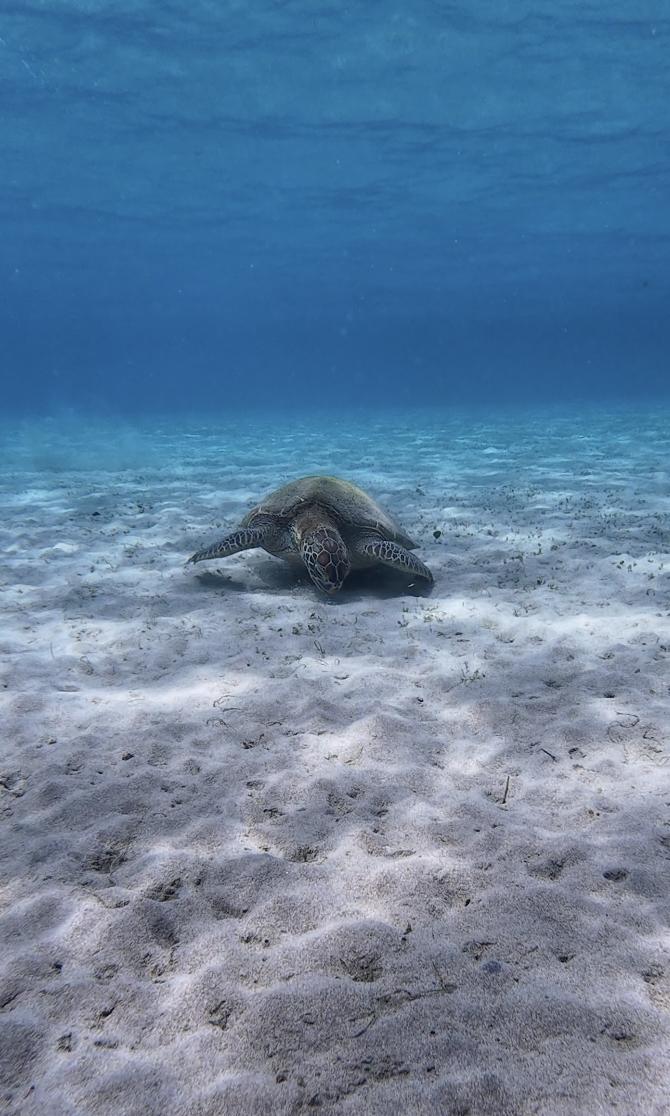
The Japanese concept of "Isoyake" describes the disappearance of seaweed from the seafloor. With the decline of seagrass meadows comes the collapse of marine habitats, feeding ground and spawning sites. This rapid process is yet little documented. A recent Japanese study "analyses the Ako tidal flat in the Seto Inland Sea, Japan, where nearly all Zostera marina disappeared within a single year in 2025." (Yamakita et al. 2026). Although far north from Kagoshima, it depict the speed at which seagrass can deplete.
The Causes
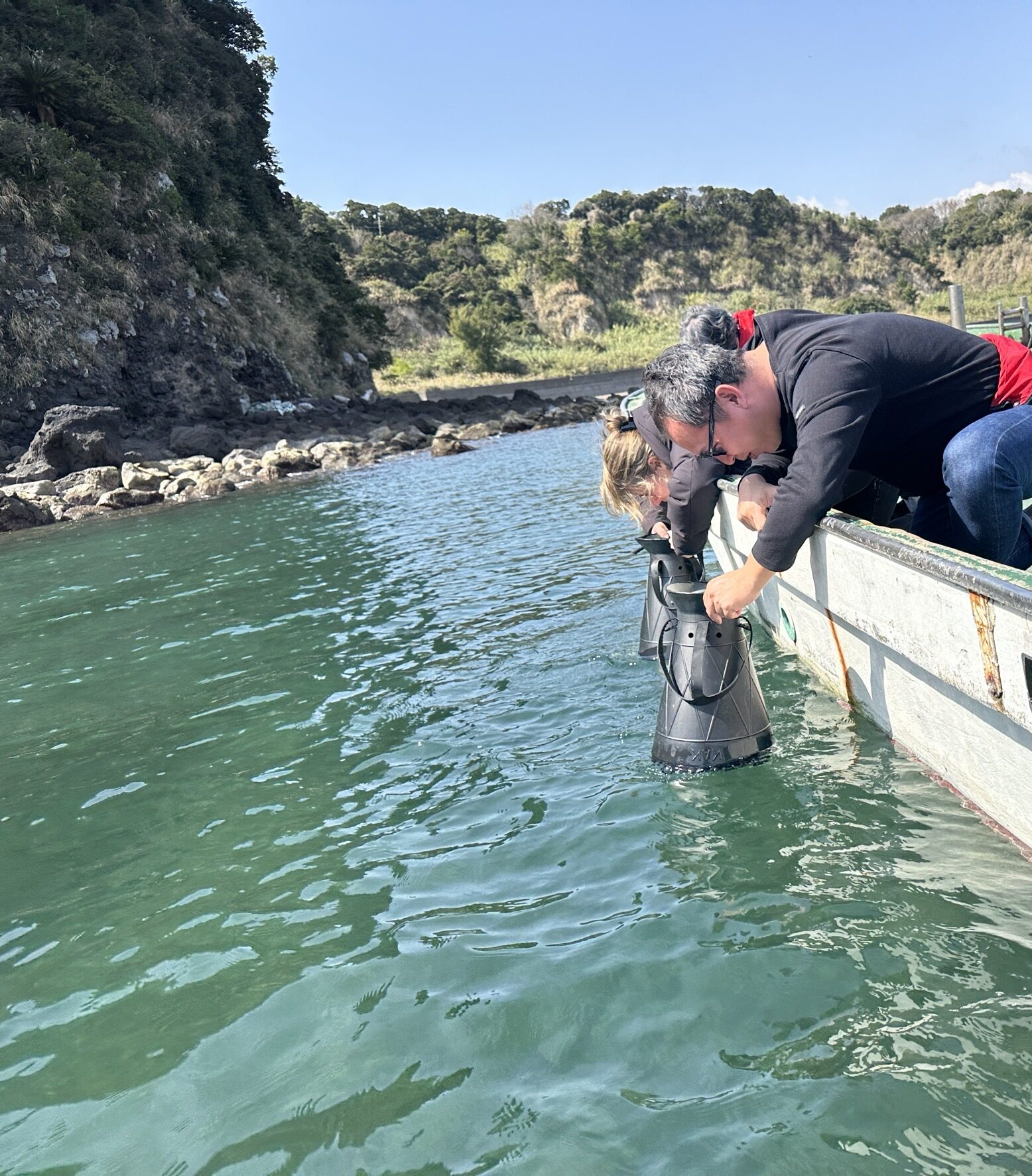
Water temperature is at fault, but not only. Natural phenomenon like tsunami, pandemic disease outbreaks (as single seagrass species) and invasive species impact the seagrass meadows. Anthropogenic intervention such as water quality degradation from increased nutrient and sediment runoff, destructive fishing practice with boat propeller induce loss in seaweed. Overfishing as well causes the loss of herbivores that clean seagrasses of fouling algae. (Waycott et al, 2009)
-
Tomokazu Kawabata
Executive Director
Marine conservation program
10-23 May 2027
This program aims at contributing to the effort of recurrent seagrass monitoring as well as training the participants to data collection technics. During our dives, we will observe and measure seagrass growth. For each planting site, we will collect additional data on fish and invertebrate species encountered as well as water quality and liter collection and recording. The data recorded will support the local effort for seagrass conservation.
Program fees: €700 (+~ € 1100)
Prerequisites
- Diving license preferred
- High interest for marine conservation
- Health insurance including water sports
- Complete the online learning before arrival (provided after application approval)
Included
- Beach monitoring via snorkeling
- Reef monitoring via diving
- Assistance for booking accommodation and activities
- Assistance for transportation
- English support for day by day needs
- Data collection guiding through snorkelling
- Data collection for conservation knowledge material
Not Included
- Accommodation and Activities are paid separately (~ €1100 for 2 weeks)
- Flights or transportation before and after program start
- Insurance
- Meals during the stay
- Snorkeling and diving gears