
Amami Ōshima
AMAMI
Humpback whales in Winter
According to the Okinawa Churashima foundation, humpback whales travels through 2 major routes within Japan: from Hokkaido (northern island of the archipelago) (1) to Amami Oshima and Okinawa before aiming for Philippines or (2) to Ogasawara islands (Tokyo prefecture) until the Mariana trench.
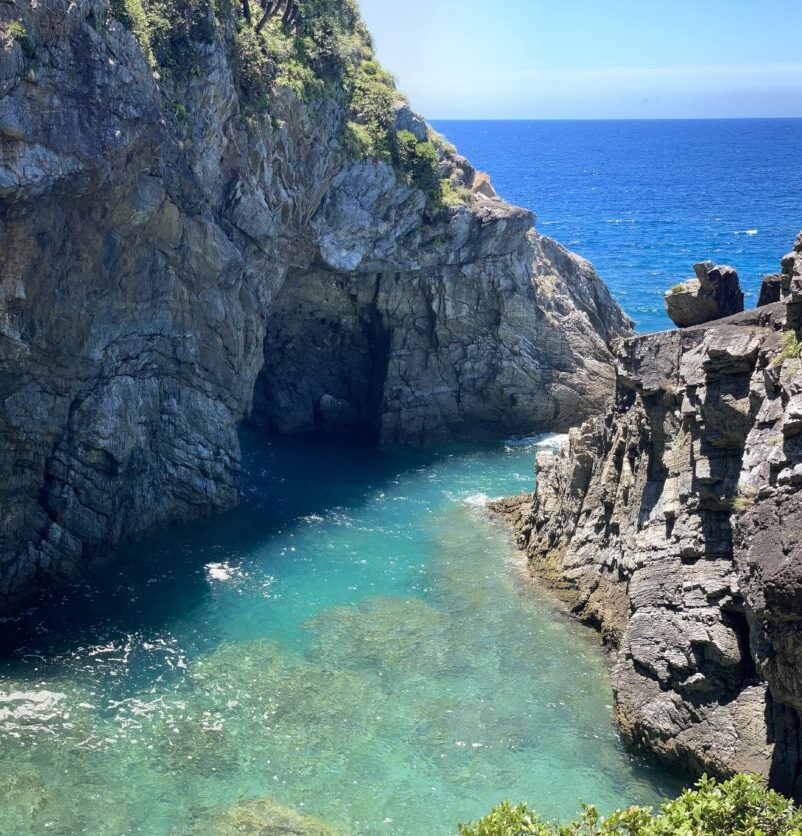
Tourism for whale watching and whale swimming has risen substantially in Okinawa mainland as whales come to breed in winter in Naha bay. Amami Oshima being a less touristic destination remains a preserved and wealthy nature hub both on land and under water. Luxurious forest, mangroves and corals, it is a jewel yet to be discovered. The shore of the western side of the island is particularly striking with its dreamy landscape as you drive on the side of the blue lagoon.
Sperm whales in Summer
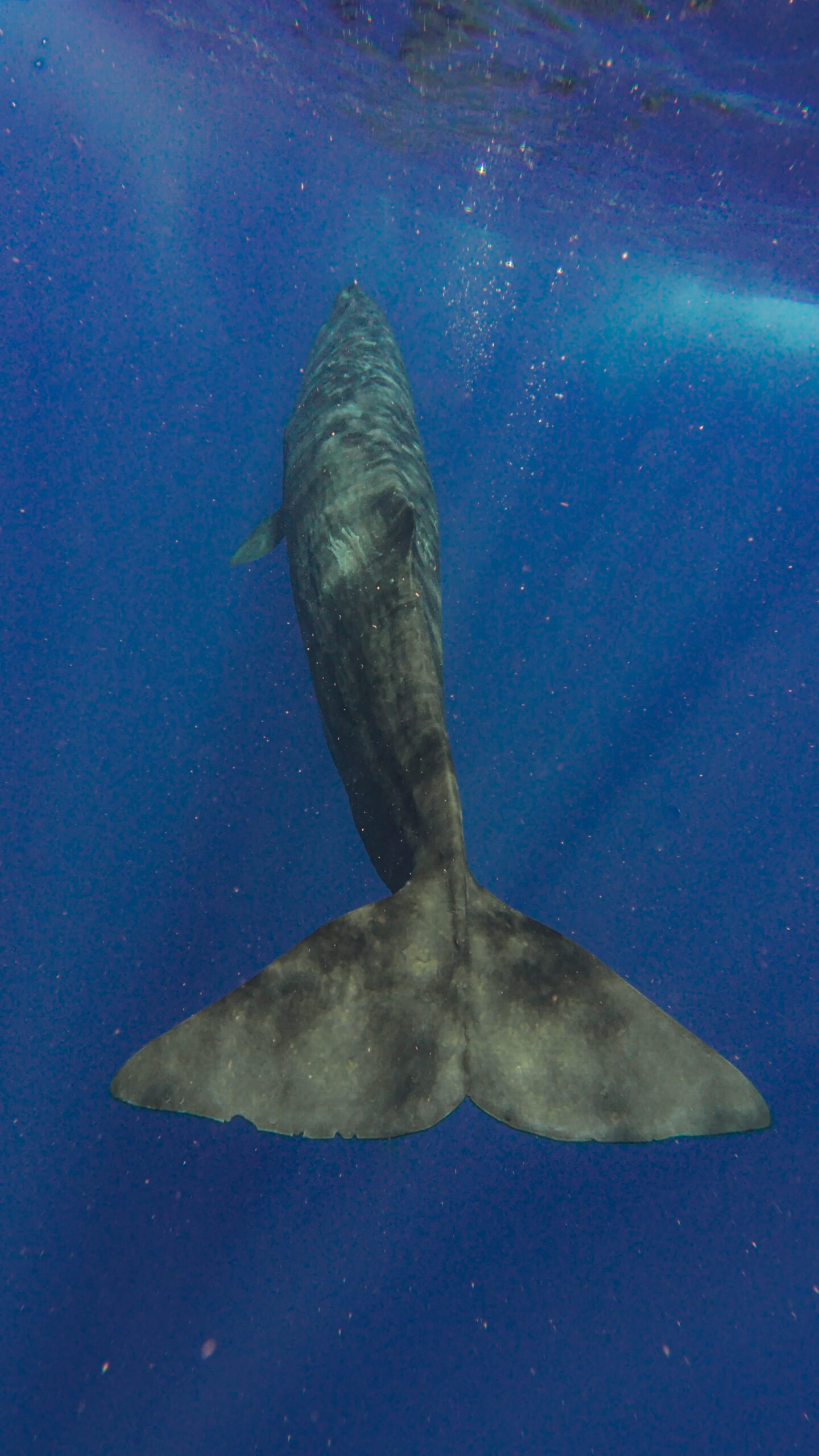
Sperm whale has been observed in various locations around Japan archipelago: Hokkaido Nemuro strait, Tokyo surroundings, Ogasawara islands and Amami oshima mainly.
Sperm whales are visiting the Amami waters in summer. Instigated in 2022, sperm whale watching and swimming has been set up on trial basis. Thanks to the Amami Marine Life Research Group, conservation measures are put in place to preserve the island oceanic fauna.
Explore the programs
奄美大島
Amami Ōshima
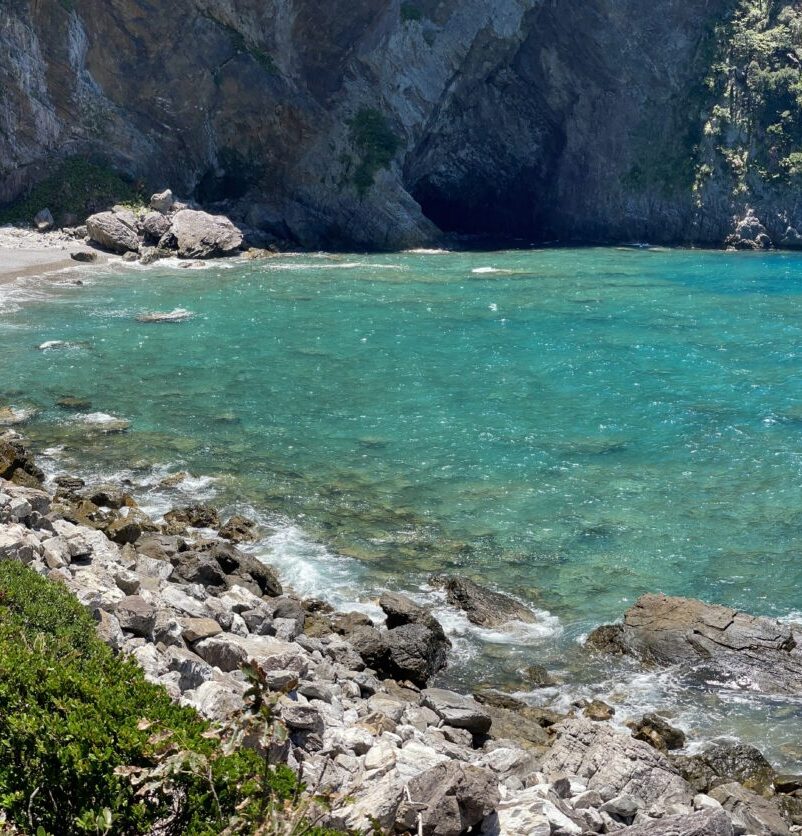
Nature hideout
Amami Ōshima, located in Japan’s subtropical Ryukyu archipelago, is renowned for its lush forests and rich biodiversity. The island is home to rare species like the Amami rabbit and Ryukyu robin, found nowhere else in the world. Dense mangroves, coral reefs, and crystal-clear rivers contribute to its vibrant ecosystems. Protected as a UNESCO World Natural Heritage site, Amami Ōshima offers a pristine example of untouched island nature.
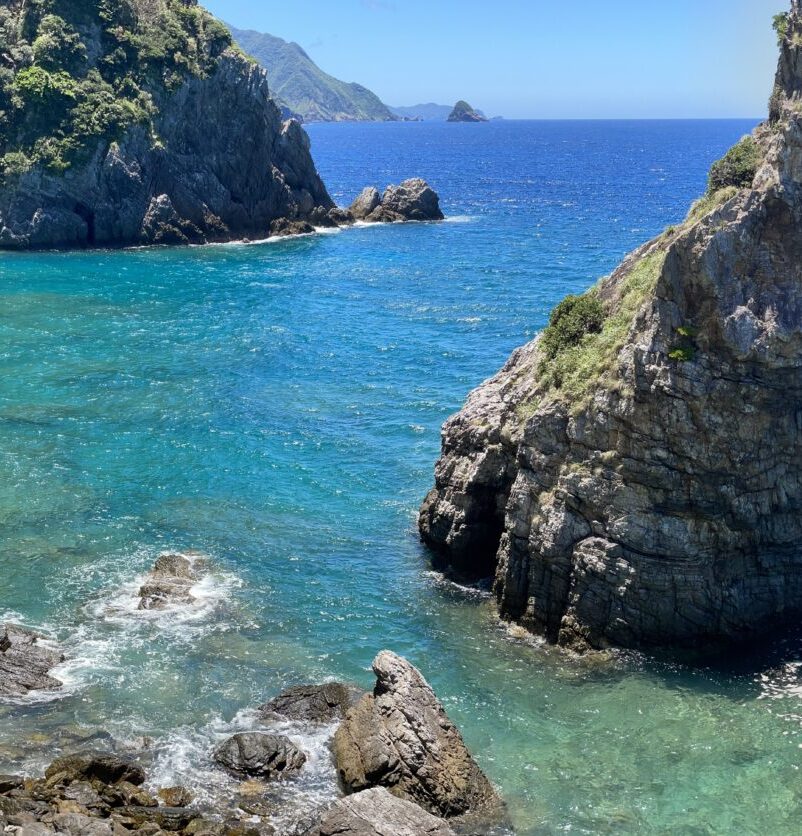
Cetacean Monitoring
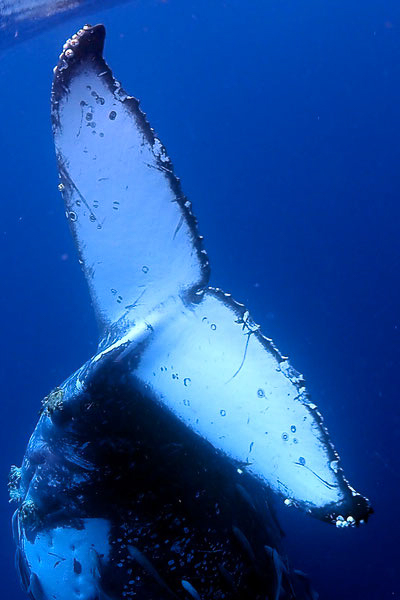
Since 2013, the Amami Whale and Dolphin Association records year by year the flukes of humpback whales visiting Amami. A smaller sample of sperm whale is also recorded since individuals are observed since 2019. The association showed that the number of visiting humpback whales increased from 971 in 2019 to 1750 in 2022. Such activities are key to understand the cetacean behaviors and naturally triggers marine protection.
Cultural wealth
The island has a unique culture shaped by a blend of Ryukyuan, Japanese, and indigenous influences. Traditional crafts like Oshima Tsumugi silk weaving and folk music using the shamisen reflect the island’s deep artistic heritage. Local customs, dialects, and festivals continue to thrive, preserving the island’s distinct identity within Japan.
"[Humpback whales] don't all just travel along the island, many groups with mothers and calves stay here. The waters surrounding Amami are believed to be suitable for raising calves."
Katsuki Oki,
Amami Dolphin & Whale association Head
Marine conservation program
28 March - 18 April 2027
The main aim to this program is to train our participants in marine data collection involving underwater survey, with fish species, coral health and genus etc. assessment as well as recording. From end of march, the season is usually changing with visit shifting from humpback whales to sperm whales. This program also aims at contributing to the effort of censing these two cetacean species. During our whale swims, we will conduct individual identification training (fluke, size, scars, etc.) without disturbing the animal. We also offer the opportunity for taking the PADI – Amami island Swim with Whales Distinctive Specialty exclusively translated in English (cf below for requirements)
Program fees: €1100 (+ ~ €1700)
Prerequisites
- Diving licence required
- 30 dives experience necessary for the
PADI, Swim with Whales Distinctive Specialty
- High interest for marine conservation
- Health insurance including water sports
- Complete the online learning before arrival (provided after application approval)
Included
- Beach monitoring via snorkeling
- Reef monitoring via diving
- Assistance for booking accommodation and activities
- Assistance for transportation
- English support for day by day needs
- Data collection guiding through snorkelling
- Data collection for conservation knowledge material
3-23 October 2027
The main aim to this program is to train our participants in marine data collection involving underwater survey, with fish species, coral health and genus assessment as well as recording among others. Additionally, we will be participating to the effort of censing sperm whales visiting Amami waters. We also offer the opportunity for taking the PADI – Amami island Swim with Whales Distinctive Specialty exclusively translated in English (cf below for requirements)
Program fees: €1100 (+ ~ €1700)
Prerequisites
- Diving licence required
- 30 dives experience necessary for the
PADI, Swim with Whales Distinctive Specialty
- High interest for marine conservation
- Health insurance including water sports
Included
- Beach monitoring via snorkeling
- Reef monitoring via diving
- Assistance for booking accommodation and activities
- Assistance for transportation
- English support for day by day needs
- Data collection guiding through snorkelling
- Data collection for conservation knowledge material
Not Included
- Accommodation and Activities are paid separately (~ €1700 for 3 weeks)
- Flights or transportation before and after program start
- Insurance
- Meals during the stay
- Snorkeling and diving gears